Foot Care Routine: Steps to Soft, Beautiful Feet
01 Why a Dedicated Foot Care Routine Matters
Feet endure more daily stress than almost any other part of the body: pressure, friction, heat, and confinement in footwear for hours at a time. Without a consistent foot care routine, that stress accumulates visibly. The result is dry skin, rough heels, dull nails, and a lack of the luminous quality that well-maintained feet carry naturally.
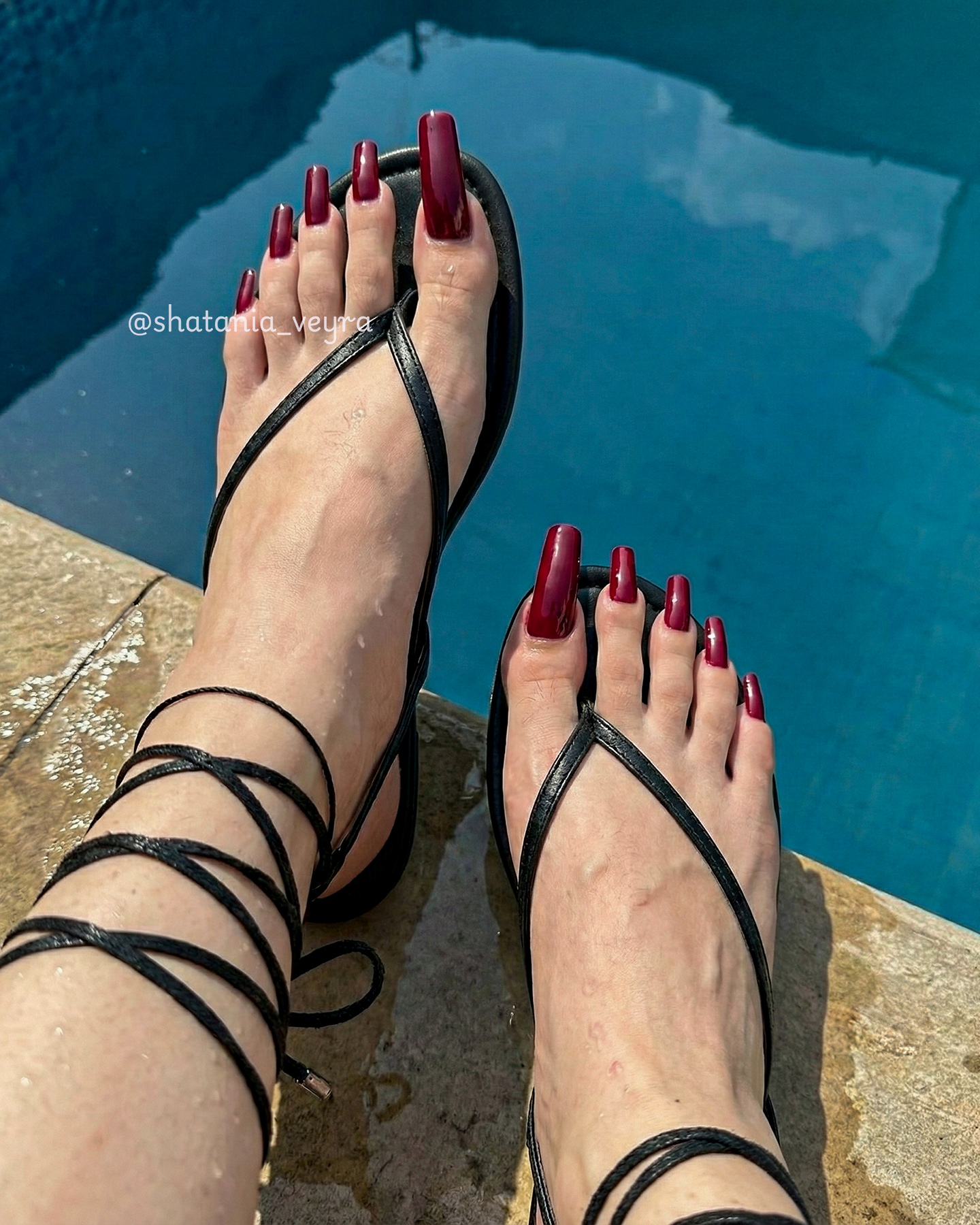
The shift happening in beauty culture in 2026 is that feet are finally receiving the same level of intentional care as the face and body. Chemical exfoliants over harsh scraping. Daily oils over occasional crisis creams. Routine maintenance over reactive treatment. Multiple beauty experts tracking the 2026 market confirm this shift toward foot care as a serious daily wellness practice.
The core principle: A foot care routine is not about fixing problems. It is about preventing them. In doing so, it maintains the kind of soft, polished, luminous feet that make every sandal, every barefoot moment, and every photograph look effortlessly beautiful.
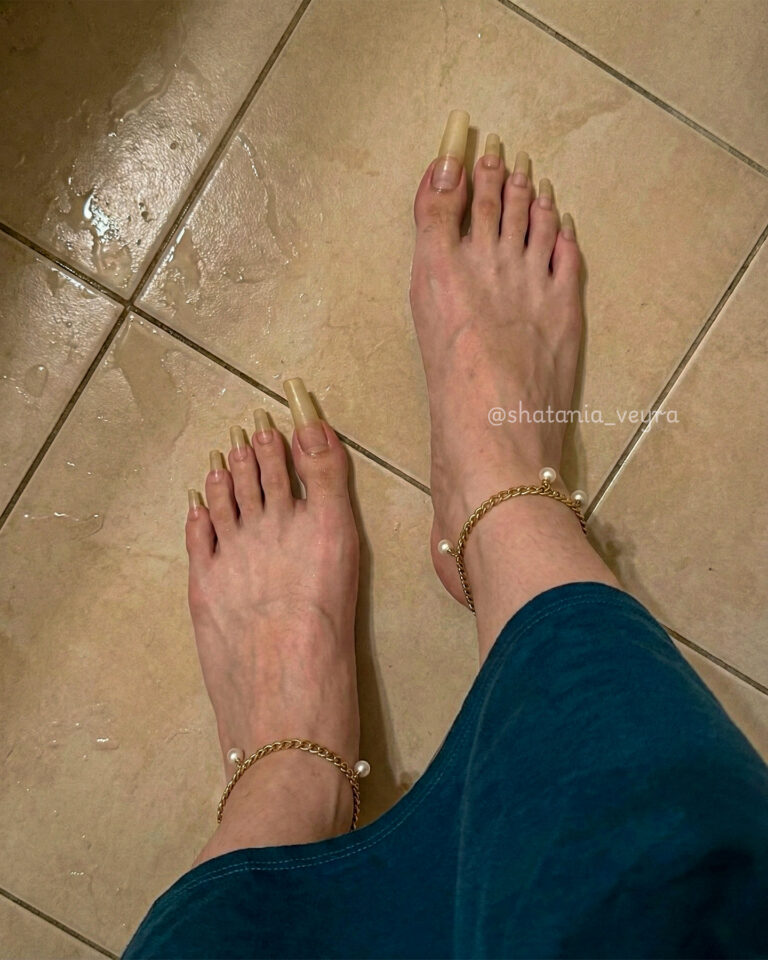
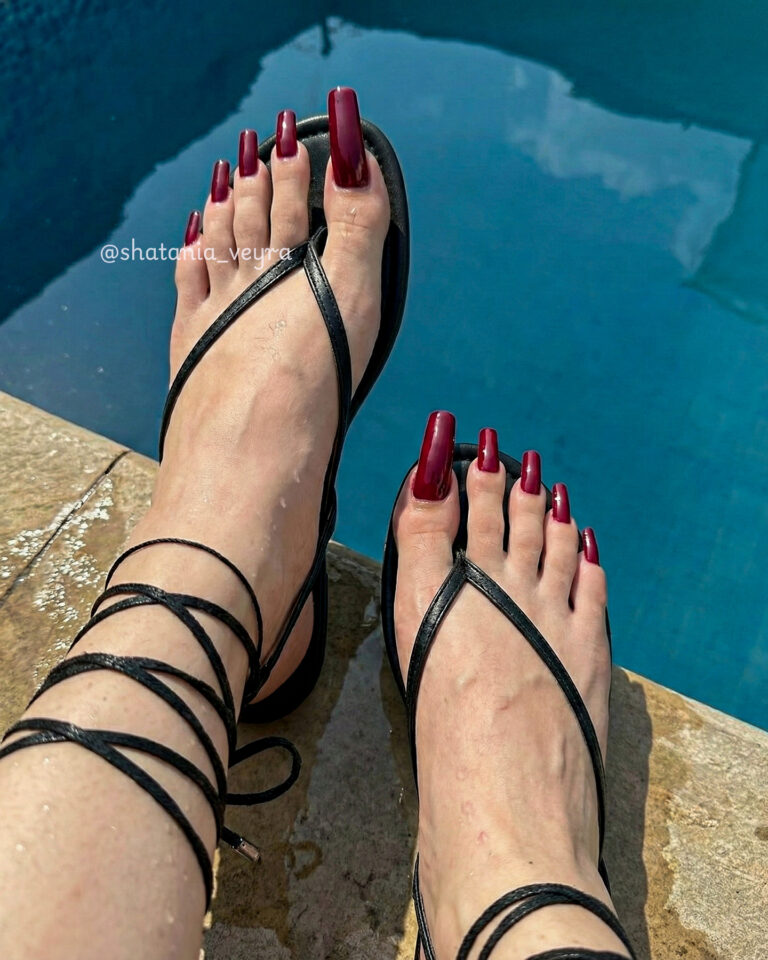
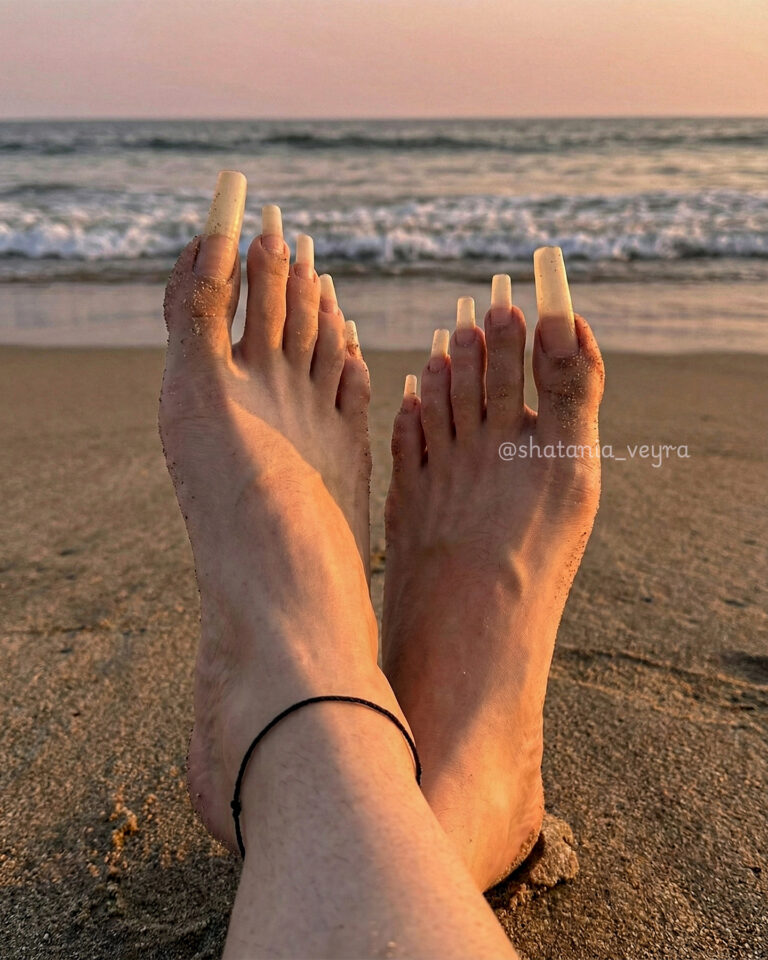
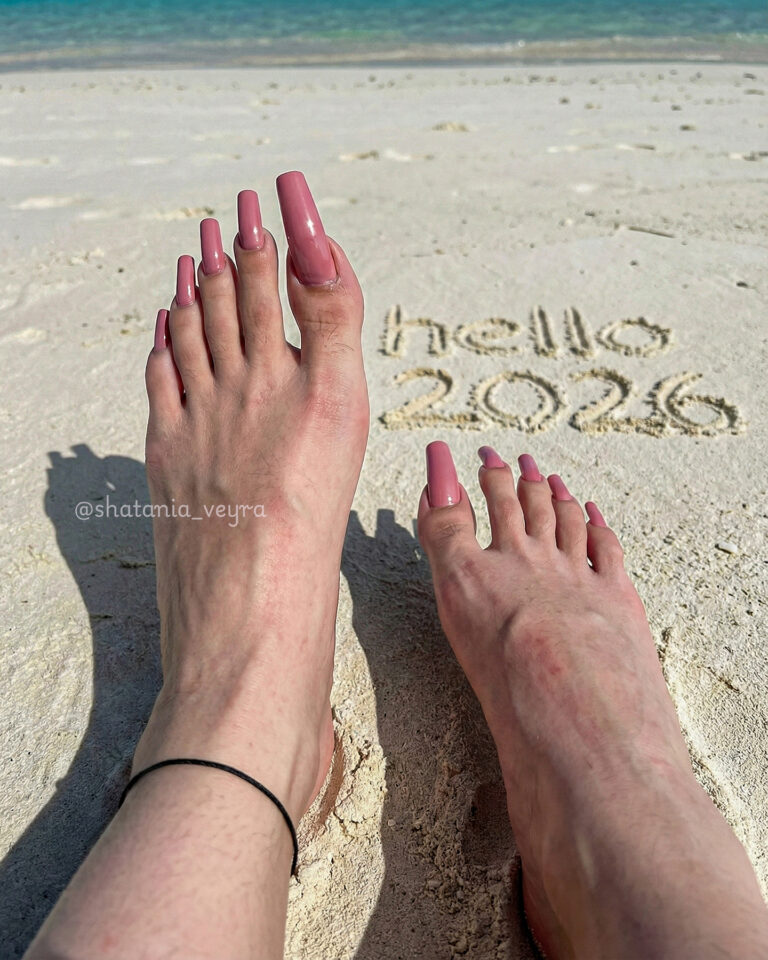
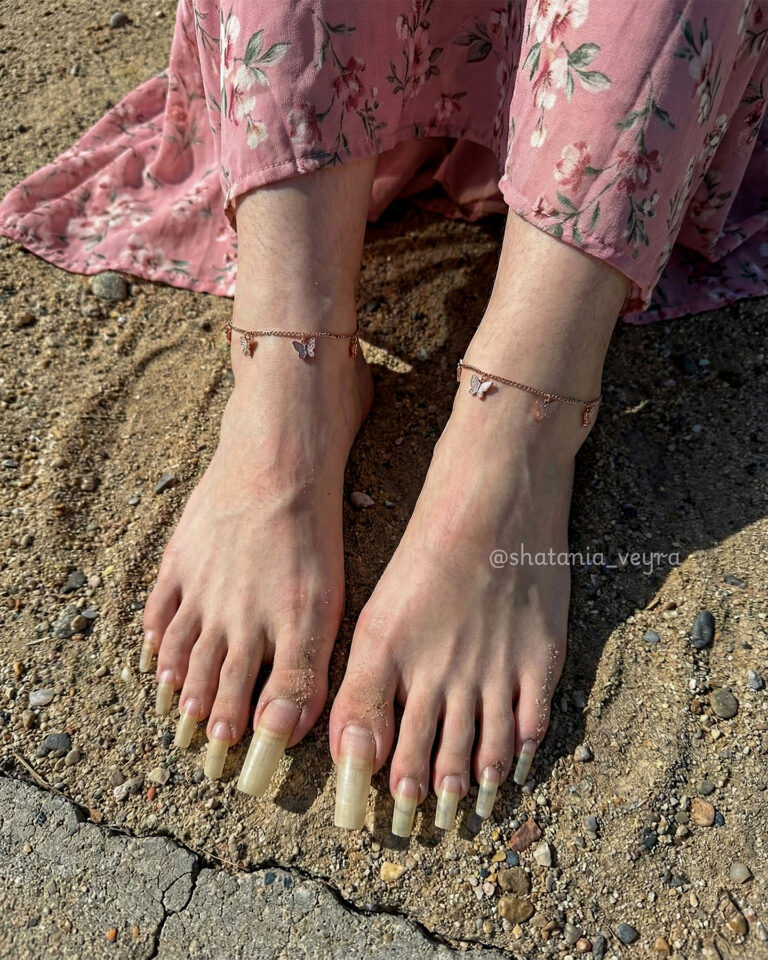
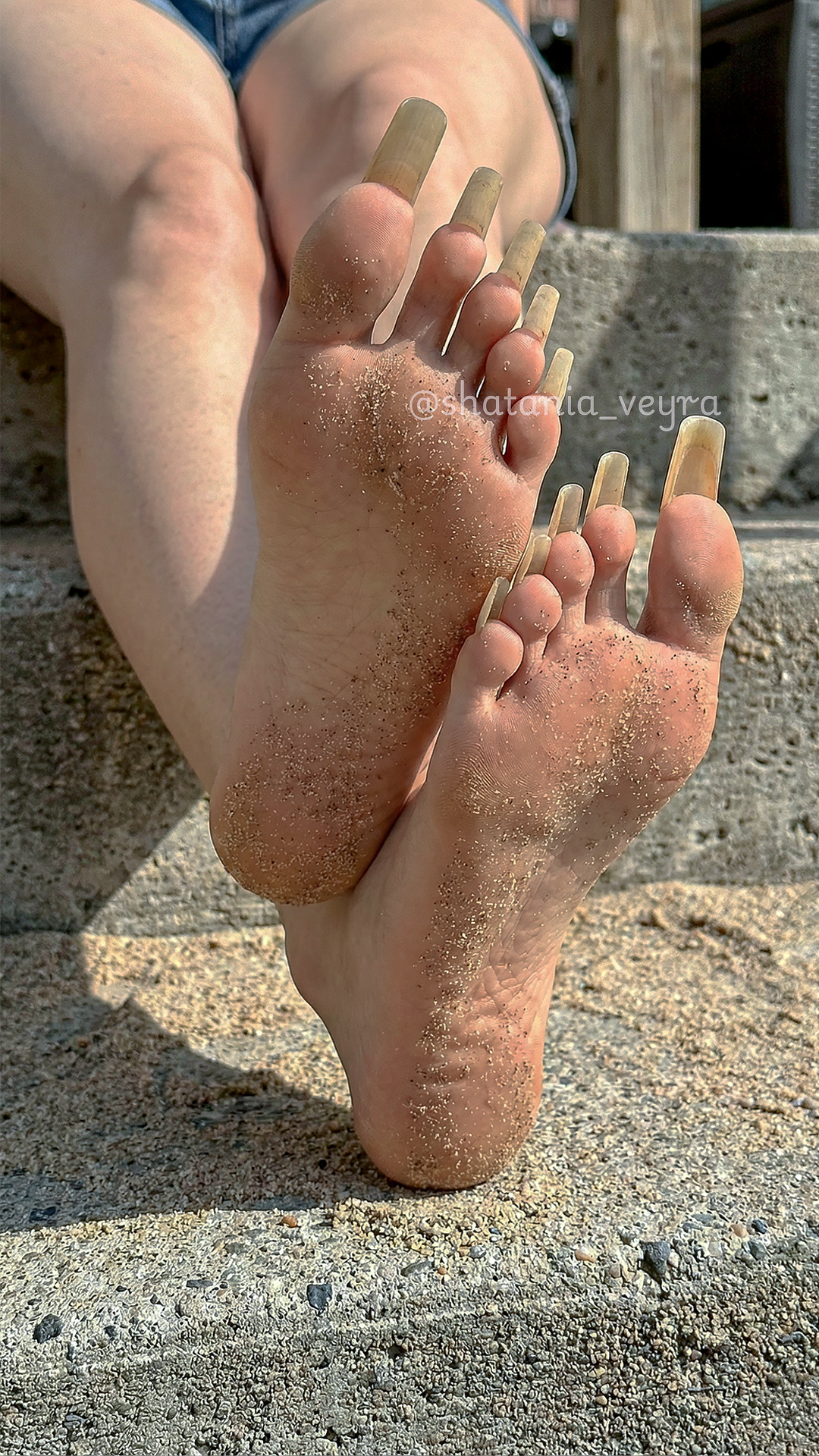
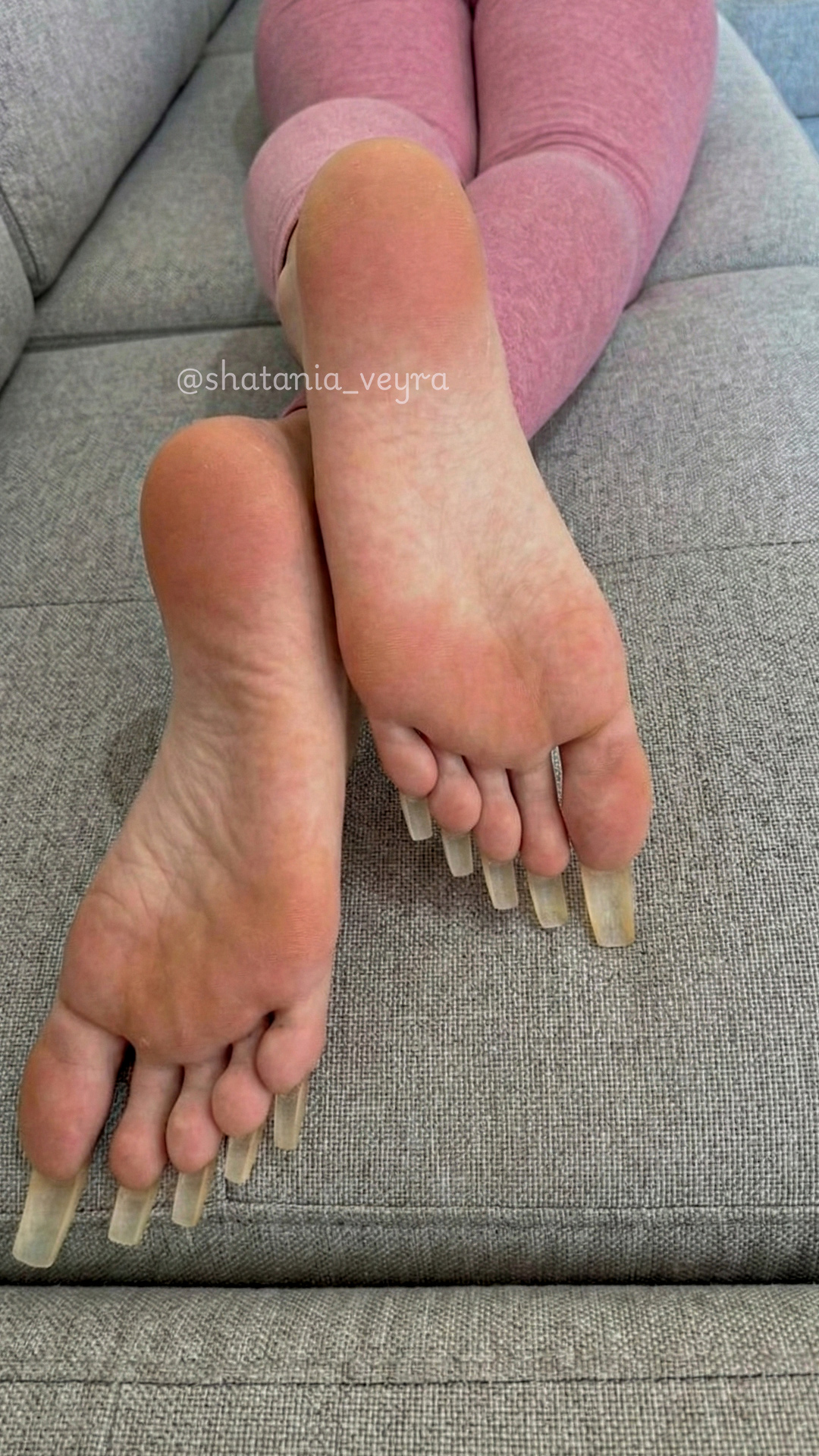
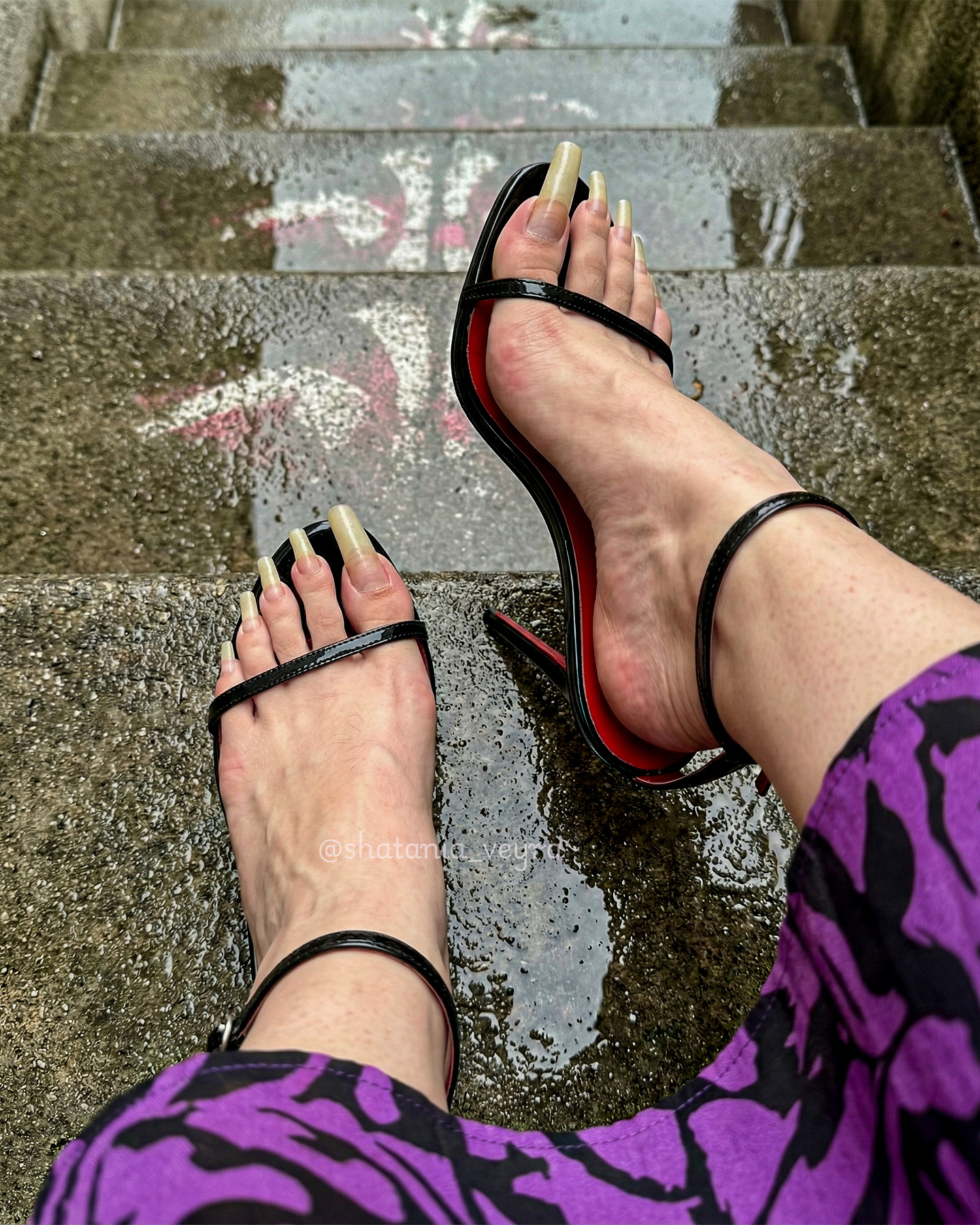
For a complete look at what well-maintained feet involve from a care and aesthetic standpoint, the complete pretty feet guide covers every element in detail. The photo gallery offers the visual reference.
02 The Essential Products for Every Foot Care Routine
A great foot care routine does not require a cabinet full of products. The most effective routines are built on a small number of high-quality essentials, each with a specific and non-negotiable role.
Rich Foot Cream
The daily hydration anchor of any foot care routine. Look for shea butter, urea (10 to 25%), or ceramides for sustained softness. Applied nightly for maximum absorption.
Cuticle Oil
Daily application keeps cuticles soft, prevents hangnails, and strengthens the nail plate over time. Jojoba or vitamin E formulas work best for consistent foot care routine use.
Lactic Acid or Urea Exfoliant
A chemical exfoliant for weekly foot care routine use on softened skin. Far gentler and more effective than physical scrubbing for consistently smooth results over time.
Glass Nail File
For maintaining nail shape between pedicures. Glass files seal the nail edge as they shape, preventing the micro-tears that standard emery boards create. Always file in one direction.
Foot Soak Salts
Epsom or Himalayan salts for weekly soaks. Softens skin, relaxes tension, and prepares the foot for every subsequent foot care routine treatment step.
Glass-Finish Top Coat
The finishing seal of the polish phase. Protects the design, adds luminous depth, and extends the life of any pedicure by an additional 7 to 10 days.
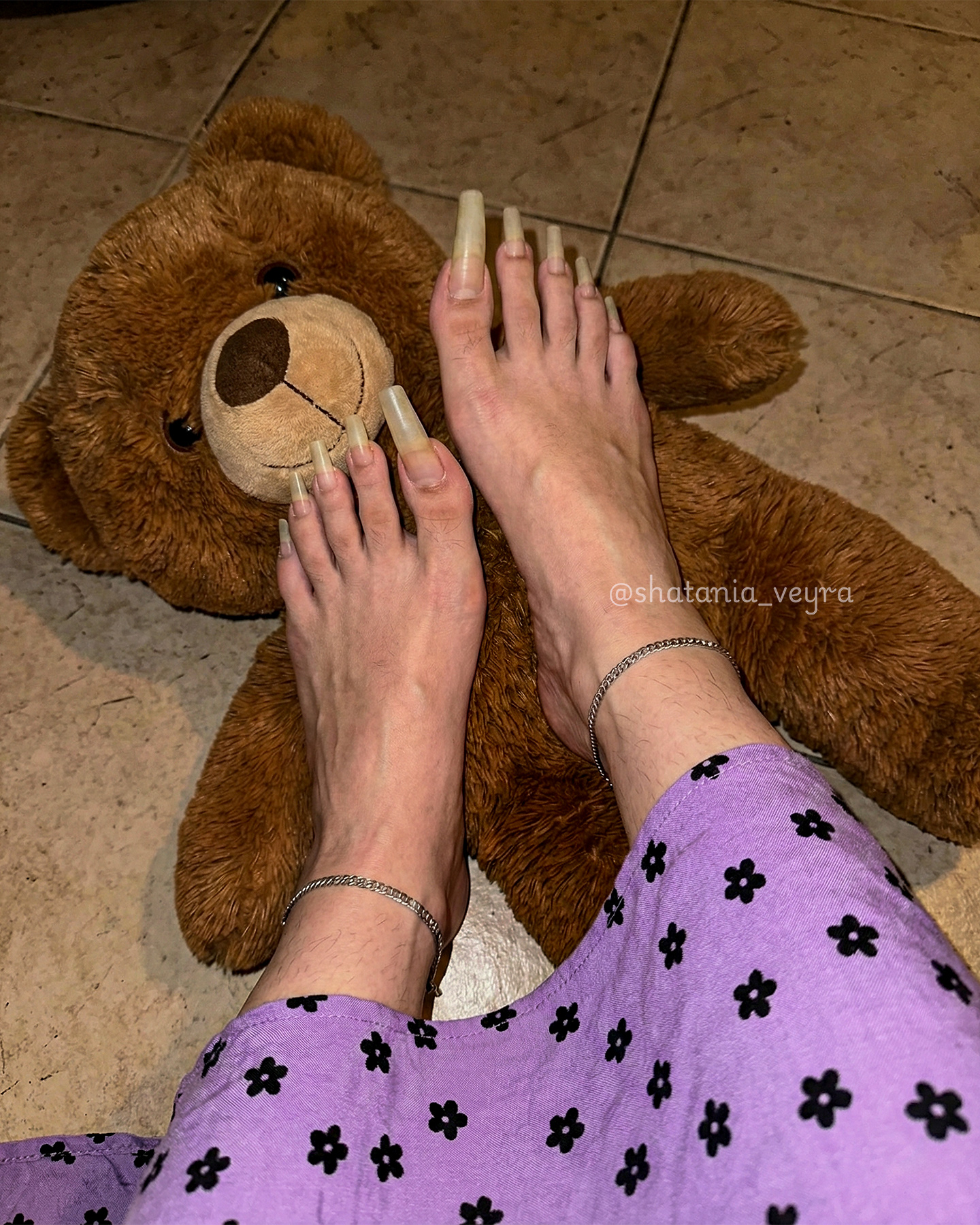
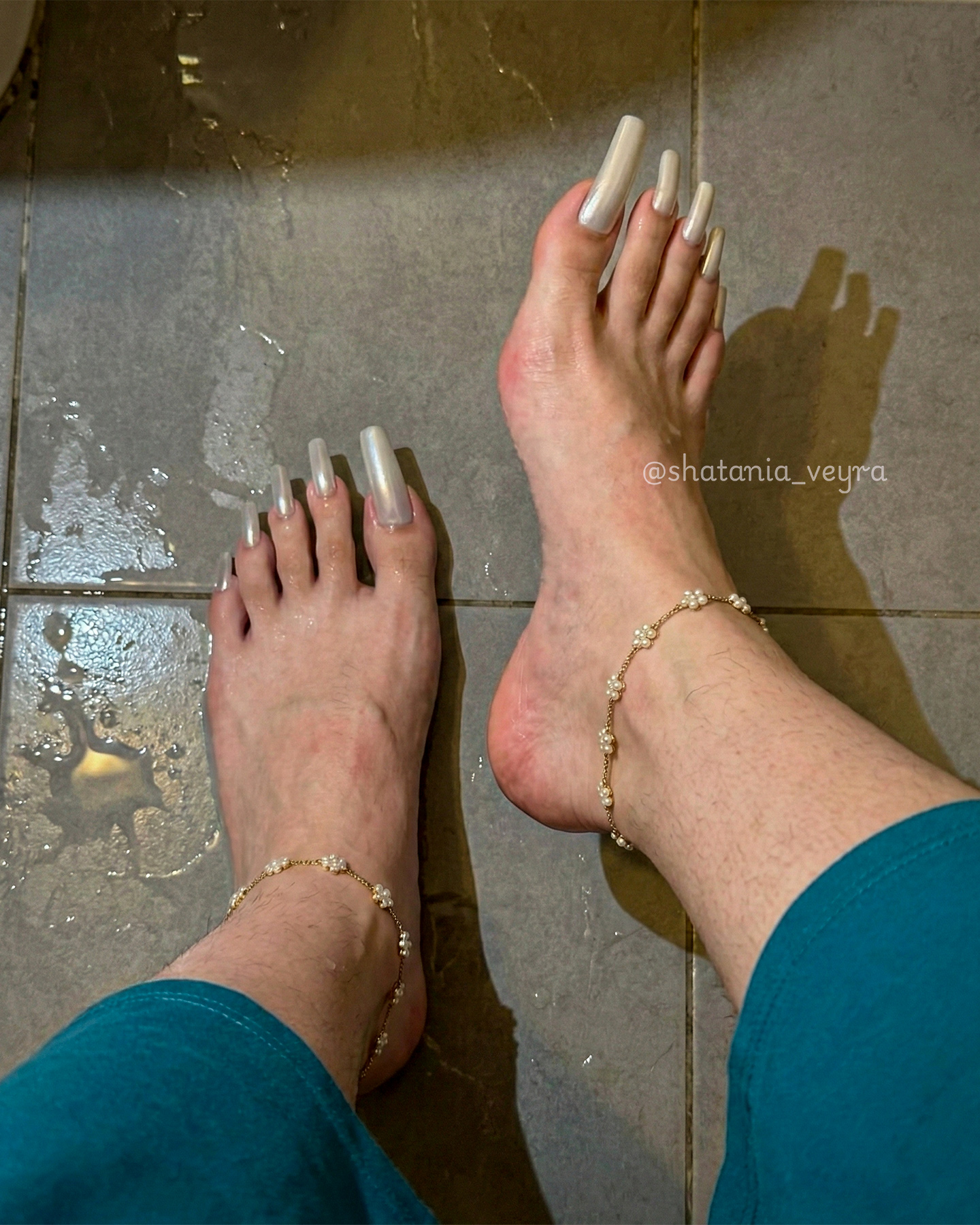
For the full breakdown of every tool involved in the foot care routine, the pedicure tools guide covers every item in detail.
03 The Daily Foot Care Routine
The daily foot care routine is the engine of beautiful feet. It requires less than five minutes and produces results that compound visibly over weeks. These are the non-negotiable daily steps that make the biggest difference in the overall foot care routine outcome.
Morning: Moisturise After Showering
Apply foot cream while skin is still slightly damp from the shower. Moisture absorption is significantly higher on warm, recently-wetted skin than on dry skin. Focus on heels and the ball of the foot but work the cream across the entire foot and up the ankle. This single daily foot care routine habit transforms skin texture within two weeks of consistency.
Daily: Cuticle Oil Application
One drop of cuticle oil per nail, massaged in for 30 seconds. This takes under two minutes for all ten toes and prevents the dry, lifted cuticles that create visual noise around even the most precisely applied polish. Daily use in the foot care routine also strengthens the nail plate over time, a direct investment in nail length and quality.
Evening: Night Cream with Socks
Apply a generous amount of rich foot cream before bed, then pull on a pair of clean cotton socks. The socks create an occlusive barrier that traps the cream against the skin overnight. The difference in heel and sole texture after just one week of this foot care routine habit is genuinely significant. It is the single highest-return investment in the entire daily routine.
As Needed: Top Coat Refresh
At around day 7 to 10 of a pedicure cycle, apply a single refresh coat of glass-finish top coat over existing polish. This restores the gloss, seals micro-chips before they develop, and visually resets the entire pedicure without needing a full removal and reapplication. A minor step in the foot care routine that delivers a major visual payoff.
“The daily foot care routine is not a luxury. It is the minimum investment that separates feet that are beautiful every day from feet that are beautiful only occasionally.”
04 The Weekly Foot Care Routine
Once a week, the foot care routine expands to include the deeper treatments that daily care alone cannot achieve: exfoliation, soaking, nail shaping, and a thorough check of nail and skin condition. The complete weekly foot soak guide covers the specific formulas that make this phase of the routine most effective.
10-Minute Foot Soak
Warm water with Epsom or Himalayan salts softens both the nail plate and surrounding skin, making every subsequent foot care routine step cleaner and more effective. A few drops of essential oil such as lavender, eucalyptus, or tea tree adds quality to the experience. This is preparation, not the treatment itself. The optimal soak temperature is 38 to 40 degrees Celsius for the best skin permeability response.
Chemical Exfoliation
Apply a lactic acid or urea-based exfoliant to softened skin, working gently across heels, soles, and any areas prone to roughness. Allow it to work for the recommended time, then rinse. This approach dissolves dead skin evenly and gently, avoiding the micro-damage and over-stimulation that aggressive physical tools cause. For heel-specific concerns, the cracked heels guide covers targeted treatment protocols.
Nail Shape Check and File
After soaking, nails are at their most pliable and easiest to shape. Check the silhouette of each nail and file to maintain the chosen shape, whether almond, squoval, stiletto, or square. Consistent weekly filing in the foot care routine prevents uneven growth from breaking the overall aesthetic between full pedicure sessions.
Cuticle Push and Deep Oil Treatment
After soaking, cuticles are soft enough to push back gently and thoroughly. Apply a generous amount of cuticle oil immediately after pushing back, massaging into the nail margin and nail plate. This weekly deep oil treatment within the foot care routine is what keeps cuticles consistently clean and nails consistently strong between monthly resets.
Deep Moisturise and Seal
End the weekly foot care routine with a generous application of the richest foot cream available, massaged in thoroughly. Apply a layer of foot oil on top to seal the moisture: the combination of cream and oil creates a hydration effect that lasts significantly longer than either product alone. This two-product sequence is the compound hydration principle covered in the exclusive section below.
05 The Monthly Reset Foot Care Routine
Once a month, the foot care routine expands to a full reset: the comprehensive session that addresses everything daily and weekly care maintains, plus the deeper work that requires more time and intention.
- Full pedicure with fresh colour. Remove all existing polish, complete the full preparation sequence (soak, exfoliate, shape, cuticle care, dehydrate), and apply a fresh base coat, colour coats, and glass-finish top coat. The monthly pedicure is where the full pedicure aesthetic comes to life. For the complete technique, the home pedicure guide covers every step.
- Nail length assessment. Once a month, assess the length and shape of toenails and decide whether to maintain current length, grow further, or adjust the shape. For those building toward a longer nail aesthetic as part of the foot care routine, the long toenails aesthetic guide covers exactly how to approach these decisions.
- Heel and sole intensive treatment. Apply a high-concentration urea cream (25 to 40%) to heels and soles, cover with cling film, leave for 20 to 30 minutes, then rinse. This monthly intensive foot care routine treatment removes built-up dry skin more thoroughly than weekly maintenance alone and keeps the skin at its most luminous baseline.
- Toenail design selection for the coming month. Treat the monthly pedicure as a design decision, not just a maintenance task. Choose a finish and colour that suits the coming season, wardrobe, and mood. For design inspiration covering every category of look for 2026, the toenail designs guide is the complete reference.
- Footwear review. Once a month, assess whether current footwear choices are supporting or undermining the foot care routine, particularly for those maintaining longer nails. Open-toe and wide-box styles protect both nail shape and skin quality far better than closed, narrow footwear during growth phases.
06 Nail Care Within the Foot Care Routine
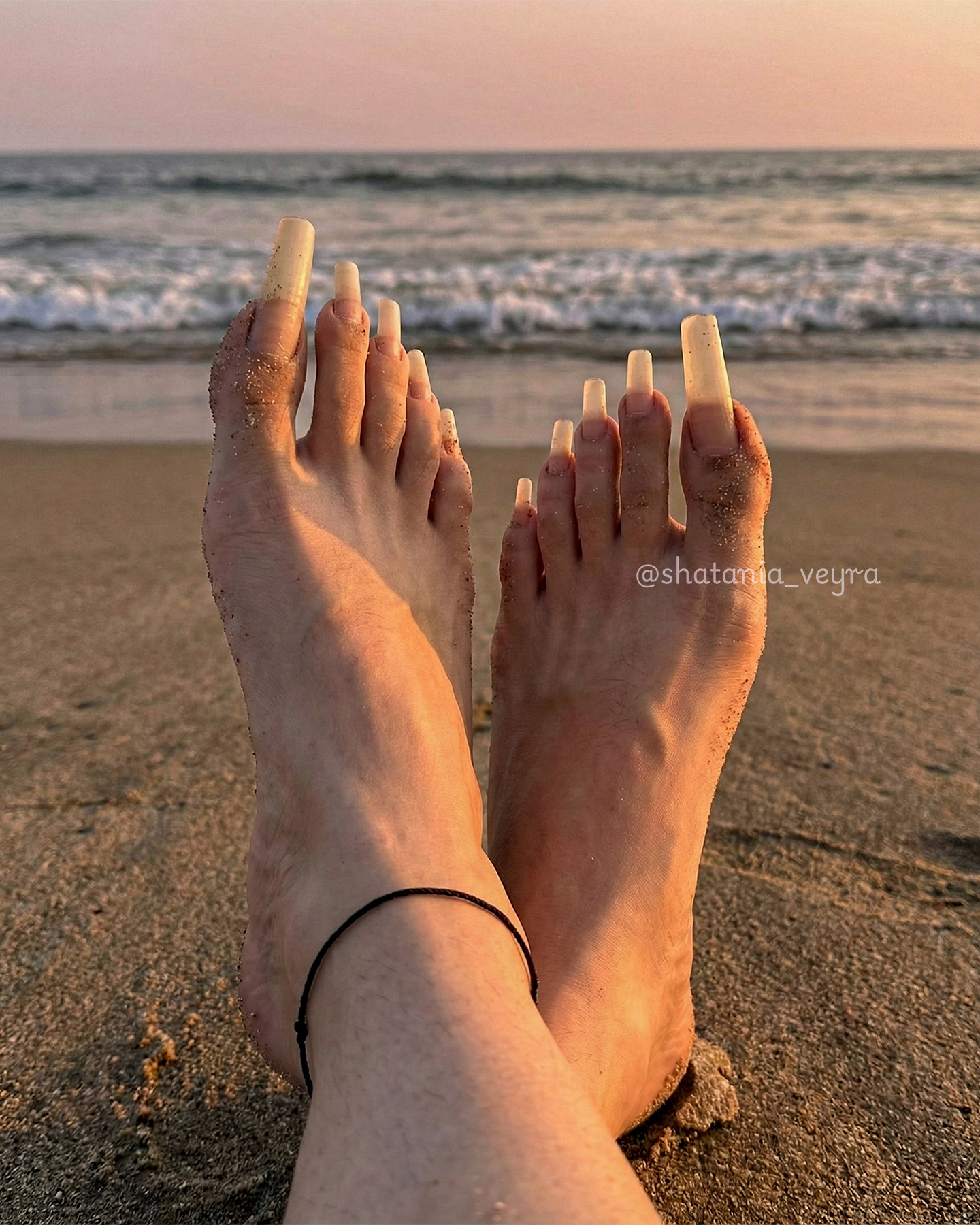
Nail care is one of the most visible outcomes of a consistent foot care routine. Well-groomed nails with clean margins, consistent shape, and quality polish finish are the centrepiece of beautiful feet.
Strengthening from Within
The foundation of healthy toenails is internal as much as topical. Adequate protein, biotin, and zinc in the diet support nail strength and growth rate. Topically, daily cuticle oil application and a strengthening base coat at every pedicure build the nail plate’s resilience over time, making longer lengths more achievable and more sustainable within the foot care routine. The complete toenail care guide covers both the internal and external dimensions of nail health in full.
Length as a Care Choice
Maintaining longer toenails is a care-intensive choice that keeps the entire foot care routine more engaged and deliberate. The commitment to length requires consistent filing, daily oiling, and careful footwear choices. All of these happen to be the exact habits that produce the most beautiful feet overall. Length and foot care routine discipline are mutually reinforcing rather than separate concerns.
Polish as Protection
A quality base coat followed by polish and a glass-finish top coat does more than create a beautiful aesthetic. It protects the nail surface from staining, strengthens thin nails structurally, and seals the nail plate against moisture fluctuations that cause brittleness. Polish, in this context, is not decoration. It is part of the foot care routine itself. For the complete gel technique that extends this protection to 3 to 5 weeks, the gel pedicure guide covers everything.
Nail care rule: The most impactful nail care habit in any foot care routine is also the simplest: daily cuticle oil. Applied consistently for 30 days, it transforms the appearance of both cuticles and nail plates more visibly than any other single product or treatment in the routine.
Visual Collection
Feet Photography: Soles, Long Toenails, and Nail Art
A curated photography collection featuring feet, soles, and long toenails across different nail styles, colours, and finishes. Browse the gallery or access the full subscription archive on Patreon.
5 Exclusive Foot Care Routine Insights
These five insights address specific aspects of the foot care routine that standard guides overlook. Each one changes how a routine step is performed, timed, or sequenced and produces measurably better results.
The Compound Hydration Sequence
Most foot care routines treat daily moisturising as a single-product application. Applying two complementary product types in sequence produces compound hydration effects that significantly outperform either product alone. The sequence: first apply a urea-based foot cream, which attracts and binds water molecules to the skin cells through its humectant mechanism, then immediately apply a shea butter or plant oil-based product on top, which acts as an occlusive barrier preventing the water drawn in by the urea from evaporating. This humectant-then-occlusive sequencing is standard in high-level facial skincare but is almost never applied to foot care routines. On heel skin, which is four to five times thicker than facial skin and requires significantly stronger formulations to achieve penetration, this two-step foot care routine sequence produces measurably better skin quality over a 30-day period than a single-product application of either type alone.
The 60-Second Post-Water Window for Cuticle Oil
Within 60 to 90 seconds of any water exposure — showering, foot soaking, or washing — the nail plate’s internal hydration channels remain temporarily open and receptive to oil absorption. Cuticle oil applied during this post-water window penetrates the nail plate structure rather than sitting on its surface, producing genuinely better nail plate hydration than the same oil applied to dry nails 10 minutes later. The foot care routine implication is clear: cuticle oil should be the first product applied after drying from any foot soak, not the last. Rearranging this single step within the weekly foot care routine produces better nail plate condition with no additional product or time investment.
The Friction Mapping Technique for Personalised Routine Intensity
The areas of the foot that develop calluses and rough skin first are not random: they are determined by the specific pressure and friction pattern of the individual’s gait and footwear. The ball of the foot beneath the big toe is the highest-pressure point for most people. The outer heel edge is the most common friction site. The underside of the fourth and fifth toe bases accumulates friction specifically from narrow footwear. Mapping these personal friction points during the monthly foot care routine reset session, then applying a high-concentration urea product specifically to those zones rather than uniformly across the whole foot, produces better results with less product and less time. A targeted foot care routine is more effective than a uniform one because it addresses the actual physiological stress pattern rather than treating all foot surfaces identically.
The Optimal Soak Temperature Rule
The temperature of a foot soak in the weekly foot care routine determines not just the comfort experience but the depth of skin penetration for any treatment applied immediately after. Water at 38 to 40 degrees Celsius (slightly above body temperature) produces the optimal vasodilation: blood flow to the skin increases, pores and nail plate channels open, and the skin becomes most receptive to the products applied in the 60 to 90 seconds immediately after the soak ends and skin is gently patted dry. Water above 42 degrees Celsius, which feels more spa-like, paradoxically reduces the skin’s post-soak product absorption by triggering a vasoconstriction response to counteract the heat. The most effective foot care routine soak is not the hottest one: it is the one at the optimal vasodilation temperature of 38 to 40 degrees Celsius.
The Polish as Protective Layer Principle
Nail polish is widely treated as a cosmetic choice with no functional role in nail health. A complete polish stack (nail dehydrator, bonding base coat, colour coats, and glass-finish top coat) provides genuine structural and protective benefits to the nail plate. The dehydrator seals the nail surface against moisture fluctuations that cause brittleness. The bonding base coat fills surface micro-imperfections and creates a stronger, more uniform surface. The top coat seals everything against UV exposure, which degrades the nail plate’s keratin structure over time in open sandals during summer. Applying a protective nail stack (even a clear base coat and top coat only, with no colour) between full pedicure cycles is a genuine nail plate care practice within the foot care routine, not merely a cosmetic one.
08 Complete Foot Care Routine Frequency Guide
The most effective foot care routines are built on clear, consistent frequency. Here is the complete reference for every step of the routine and how often each should be performed for optimal results.
| Foot Care Routine Step | Frequency | Time Required |
|---|---|---|
| Foot cream application | Daily | 1 to 2 min |
| Cuticle oil application | Daily | 2 min |
| Night cream with socks | Daily | 2 min |
| Top coat refresh coat | Every 7 to 10 days | 5 min |
| Foot soak | Weekly | 10 min |
| Chemical exfoliation | Weekly | 10 to 15 min |
| Nail shape filing | Weekly | 5 min |
| Cuticle push and deep oil | Weekly | 5 min |
| Full pedicure and fresh polish | Monthly | 45 to 60 min |
| Heel intensive urea treatment | Monthly | 30 min |
For the complete breakdown of what a monthly pedicure looks like when executed at this level of intention, the pedicure aesthetic guide covers every step and decision in full. For feet photography and long toenail references, browse the full archive.
Subscription Content
Feet Photography. Soles. Long Toenails. Up Close.
A subscription archive of close-up feet photography covering soles, long toenails, nail art, and polished finishes. New content added regularly. Browse and subscribe at any time.
Browse the Archive09 Frequently Asked Questions About the Foot Care Routine
A Foot Care Routine Is a Commitment, Not a Task
A foot care routine is not complicated. It is committed. The difference between feet that look beautiful every day and feet that look beautiful only occasionally is almost never about products or treatments: it is about consistency. The daily cream, the weekly soak, the monthly reset. Done faithfully, these small foot care routine habits compound into something genuinely extraordinary over time.
For feet photography including soles and long toenails, browse the photo gallery. For editorial content on every element of foot and nail care, the complete archive is the reference. Photography is updated regularly on Instagram, and the full subscription archive of close-up feet content is available on Patreon.